ISBN978-4-905659-20-4
発行:井門エンタープライズ 発売:機芸出版社
6月下旬発売予定!
Models IMON各店にてお取り扱いします!
・主な内容
【第1部】世界を駆ける国産蒸気機関車
序章:三都物語―鉄道院発足以前の国内自主設計機
第1章:野辺に咲いた花々―民間メーカーの自主設計機(1067mm軌間)
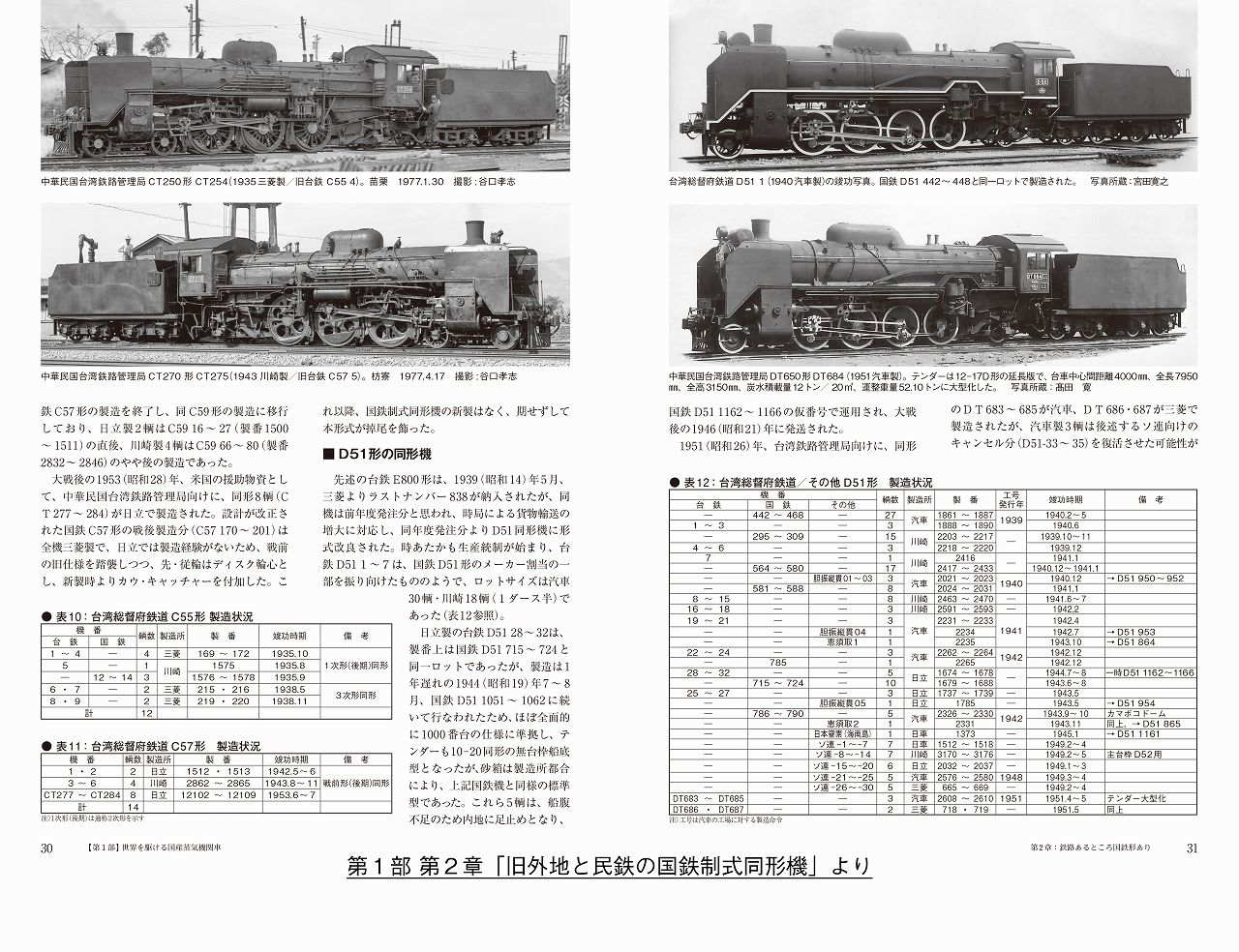
第2章:鉄路あるところ国鉄形あり―旧外地と民鉄の国鉄制式同形機
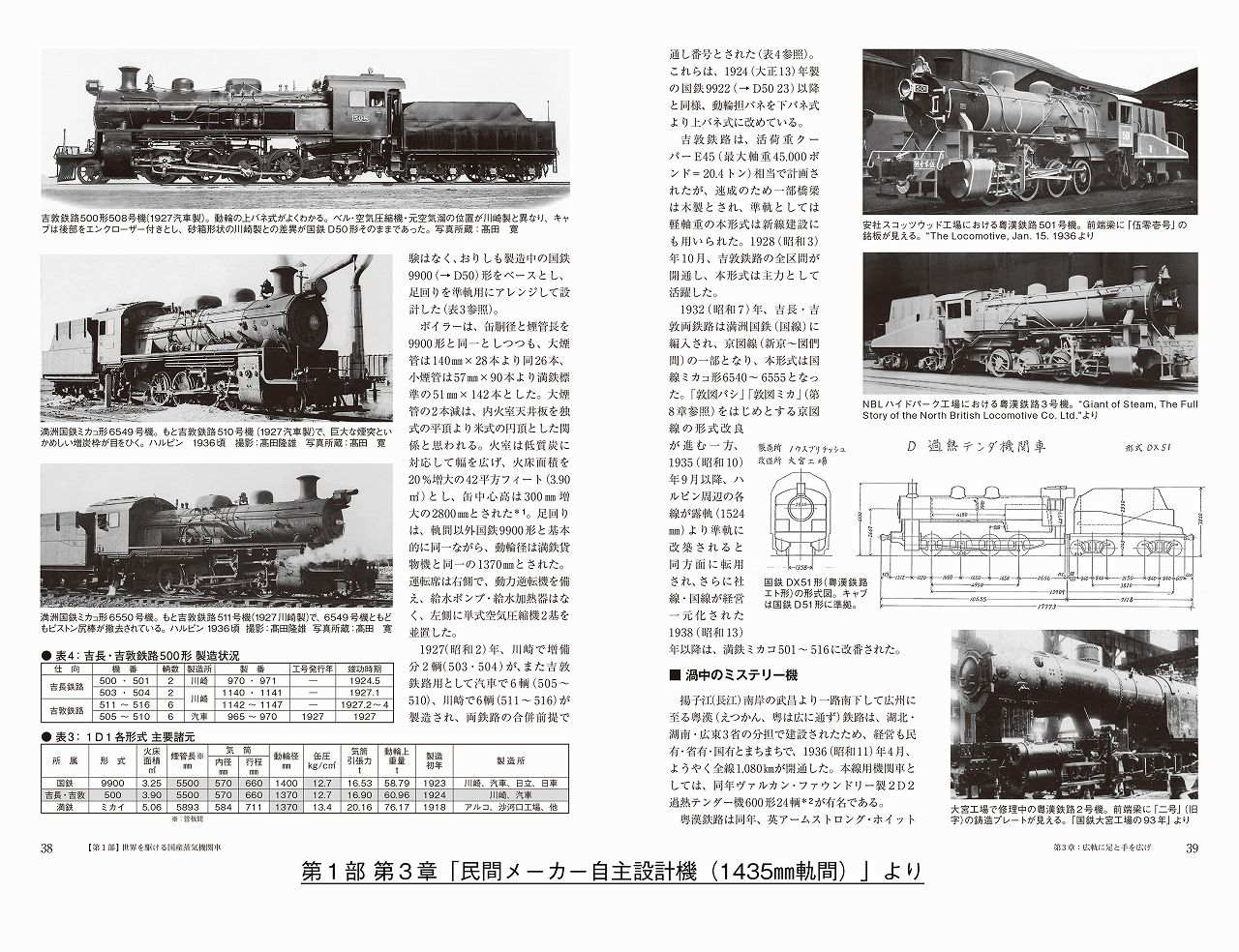
第3章:広軌に足と手を広げ―民間メーカーの自主設計機(1435mm軌間以上)
第4章:二呎六吋の小さな巨人―民間メーカーの自主設計機(762mm/750mm軌間)
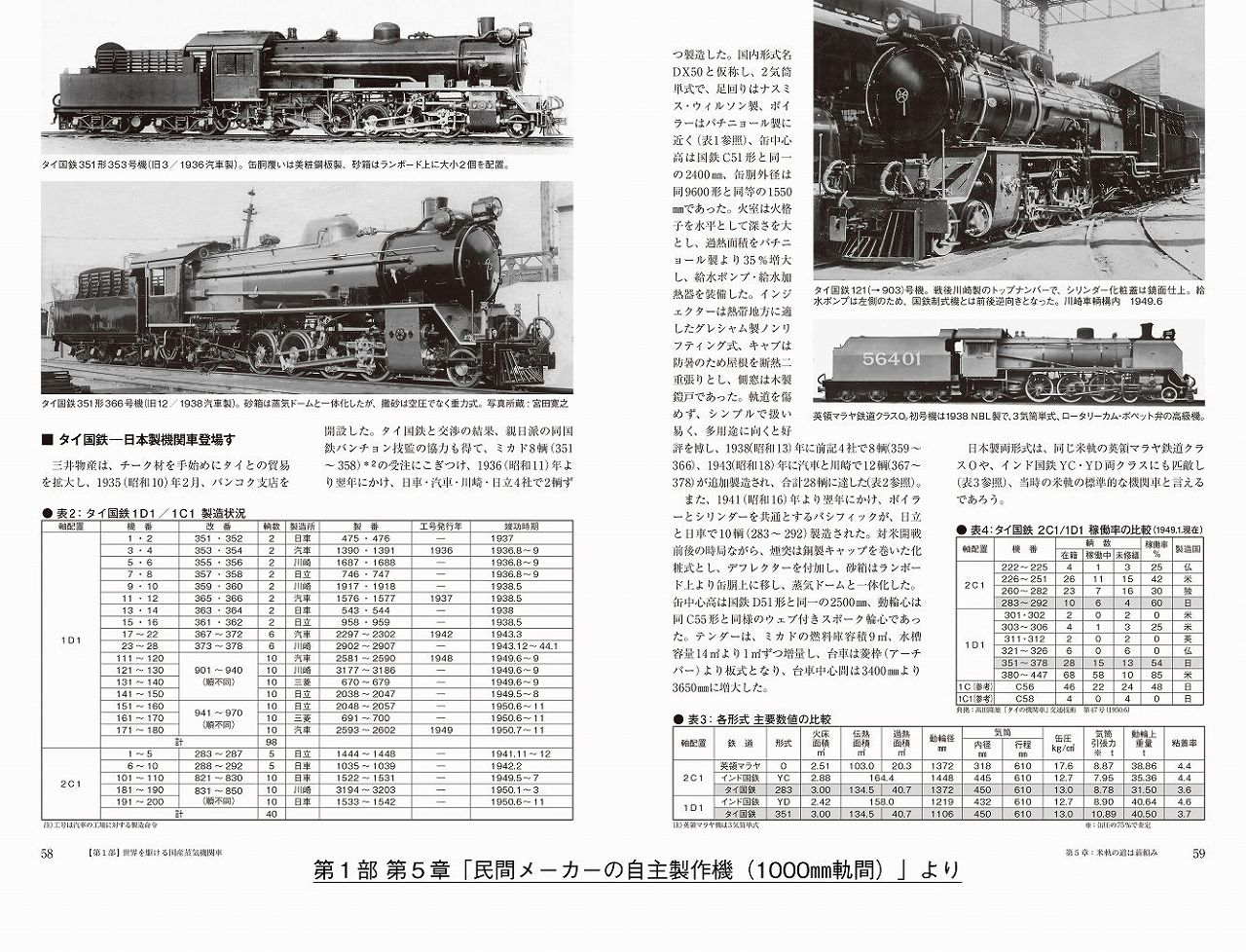
第5章:米軌の道は薪頼み―民間メーカーの自主設計機(1000mm軌間)
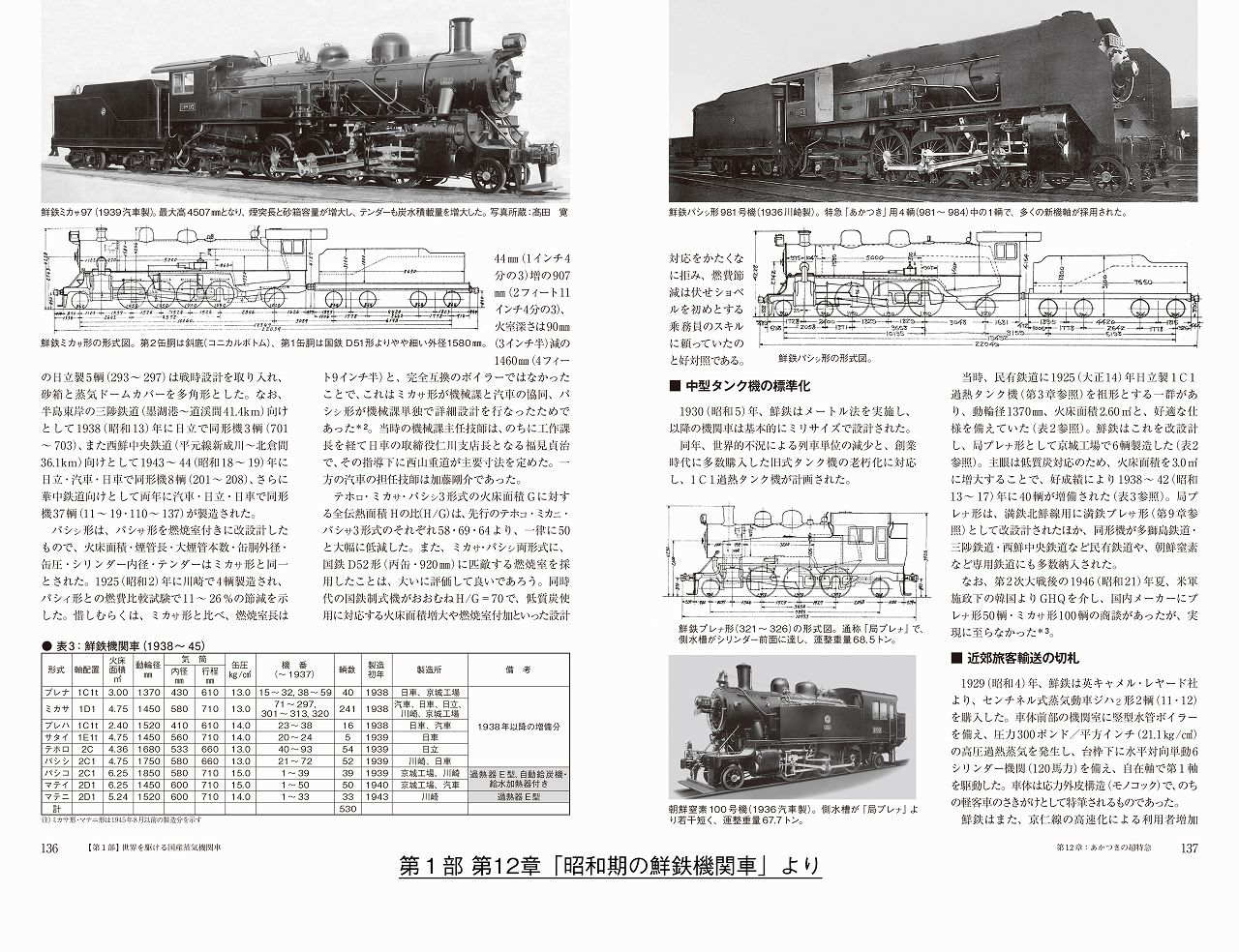
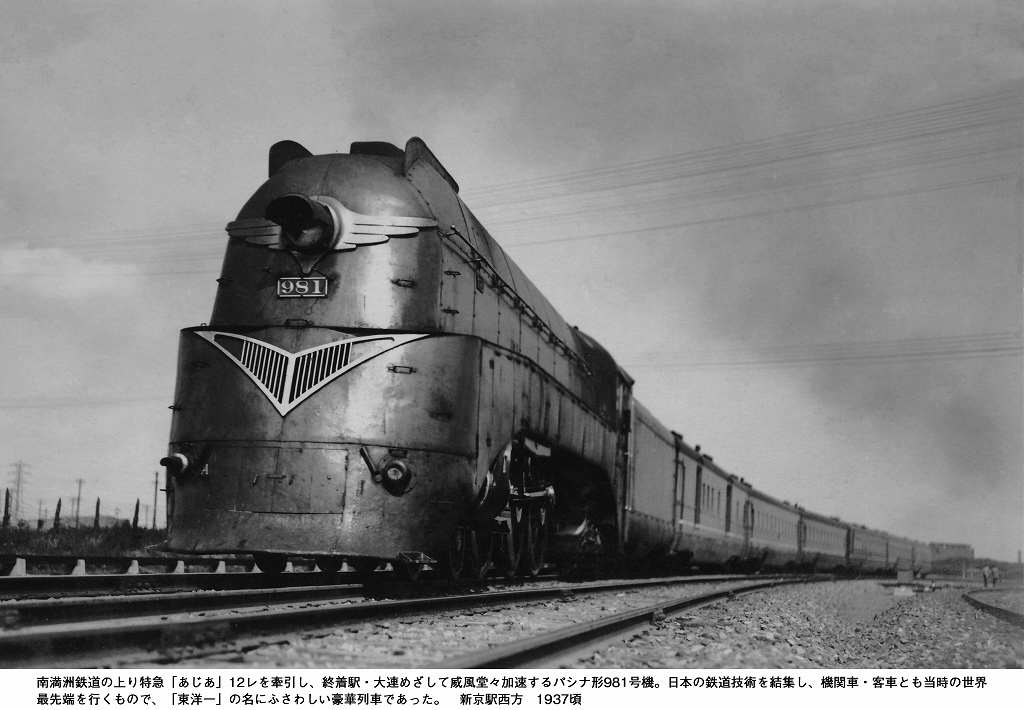
第6章:いざ往かん満蒙の地―明治末期~大正初期の満鉄機関車
第7章:黄砂氷雪何するものぞ―大正中期~昭和初期の満鉄機関車
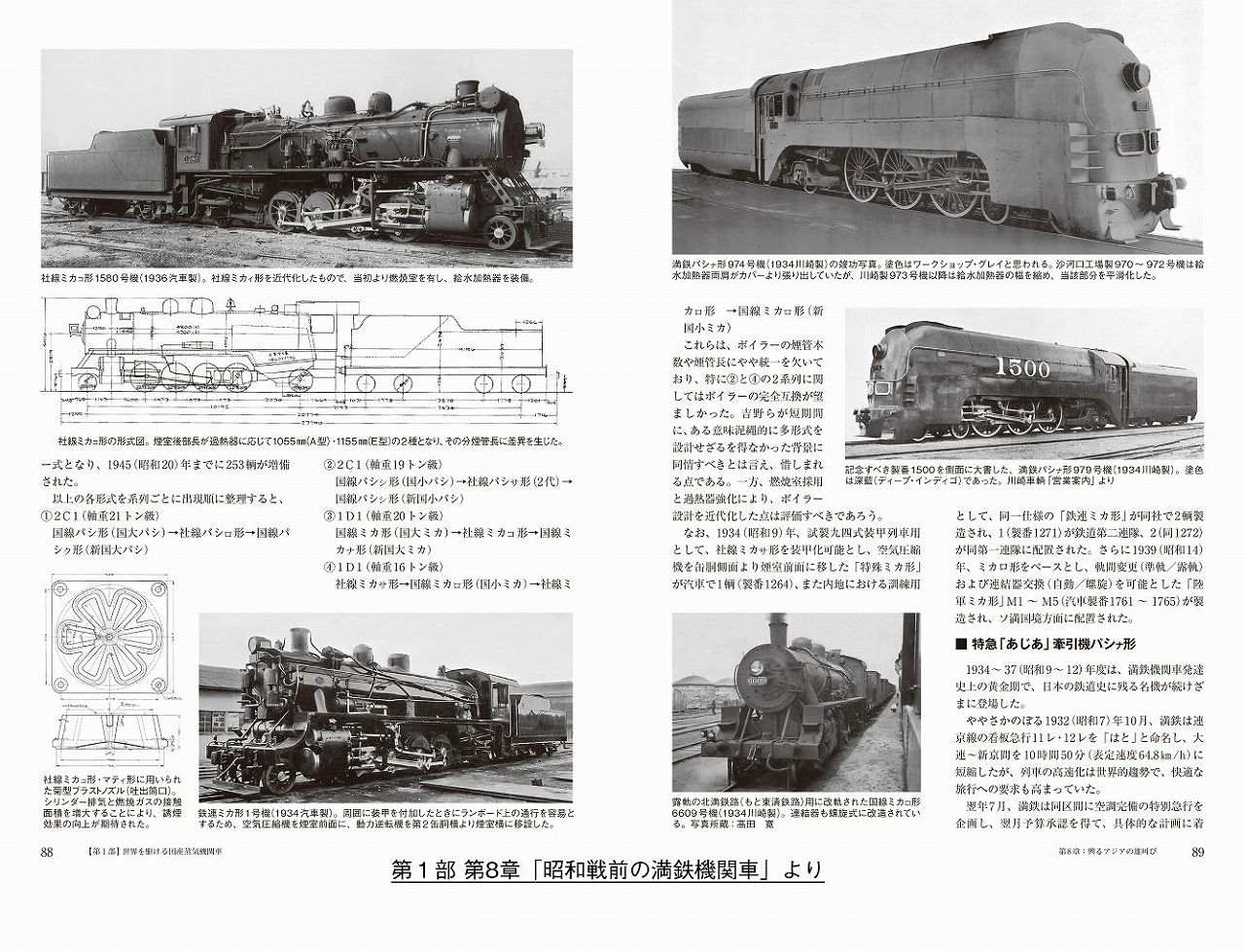
第8章:興るアジアの雄叫び―昭和戦前の満鉄機関車
第9章:広野の果てに陽は沈み―昭和戦中の満鉄機関車
第10章:天の時は地の利に如かず―満鉄設計の中国機関車
第11章:日満の架け橋―明治末期~大正末期の鮮鉄機関車
第12章:あかつきの超特急―昭和期の鮮鉄機関車
【第2部】精説・国鉄制式蒸気機関車
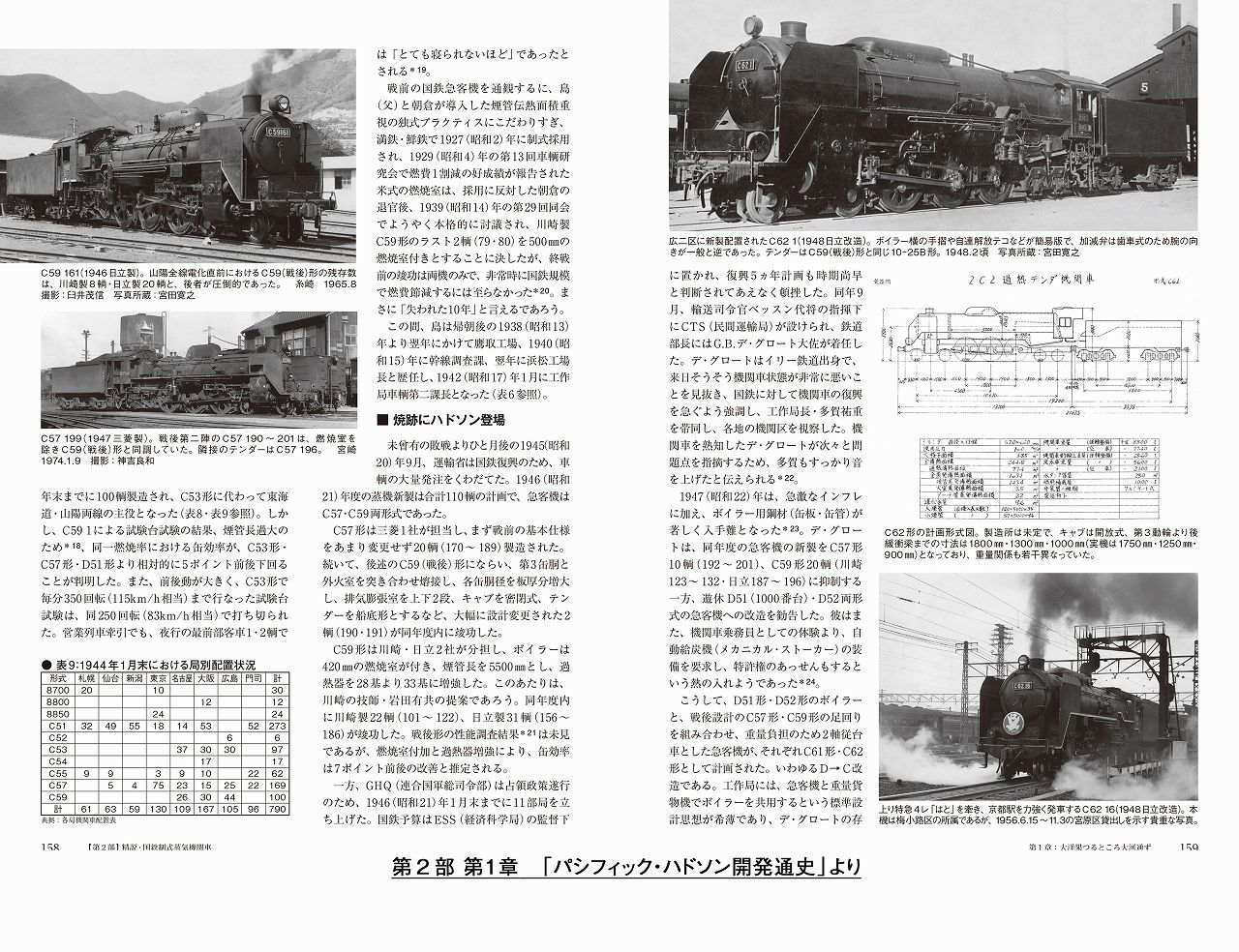
第1章:大洋果つるところ大河通ず―パシフィック・ハドソン開発通史
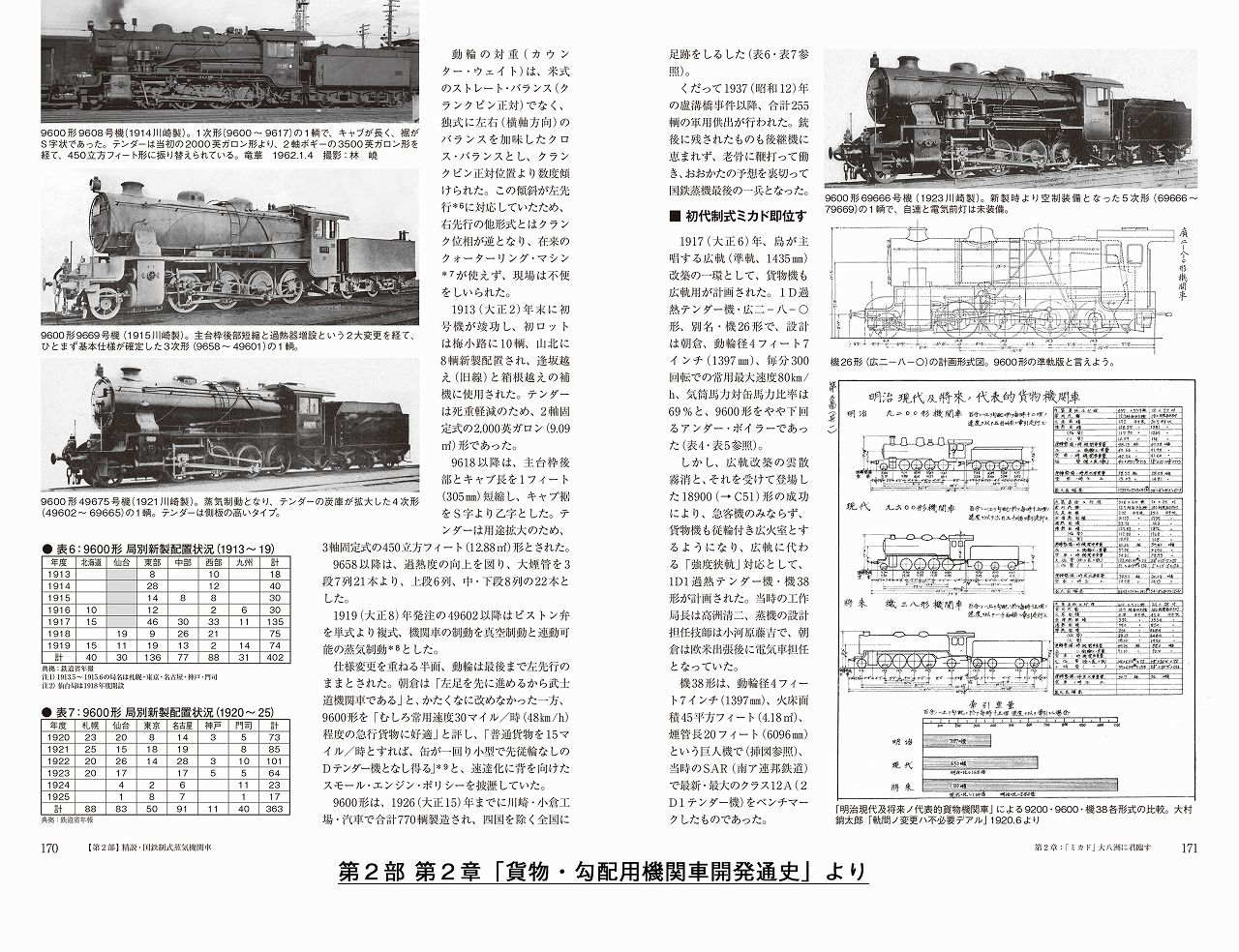
第2章:「ミカド」大八洲に君臨す―貨物・勾配用機関車開発通史
第3章:小粒必ずしも山椒ならず―小型機関車開発通史
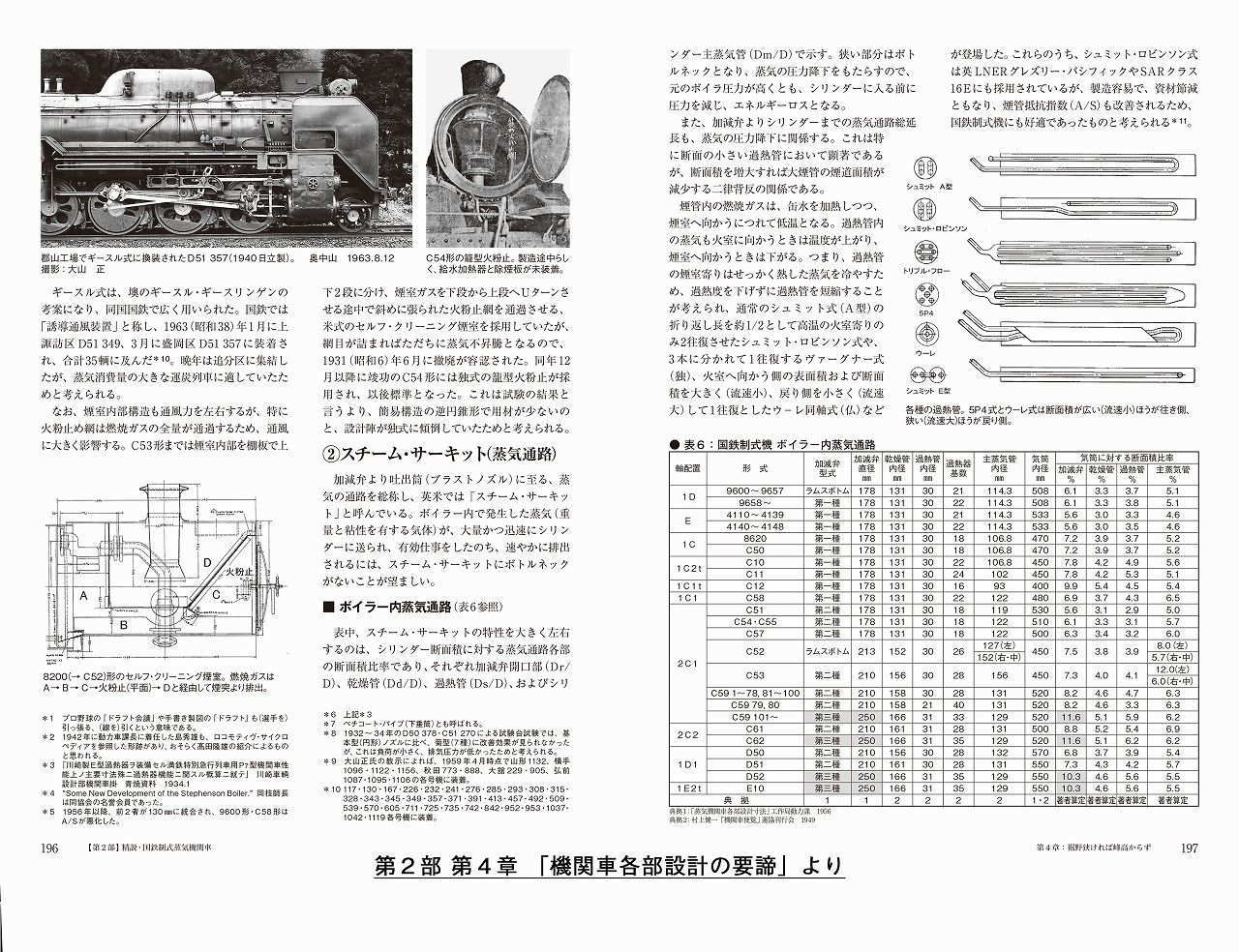
第4章:裾野狭ければ峰高からず―機関車各部設計の要諦
第5章:鉄輪(かなわ)の軽重を問う―最大軸重の話題さまざま
第6章:改むるに憚(はばか)ることなかれ―機関車の改良と車輌研究会
第7章:改造機のテストコース―糸崎~八本松間における性能試験さまざま
〈コラム〉
大正末期の北東アジア主要鉄道網
国産蒸機、インド亜大陸にも進出―標準設計の妙
国産最多数機関車―満鉄ミカイ同形機
満鉄パシロ・パシサ(2代)・ミカロ同形機の総輌数
鮮鉄テホロ・パシシ・ミカサ同形機の総輌数
C51vs. C53―「超特急」運用への適性
煙管長が分けた明暗―C59形
大型機関車主義の系譜―正史に載らなかった技術者たち
(資料編〉
9900/D50形 タイプ区分詳解
戦時製造D51形 タイプ区分詳解
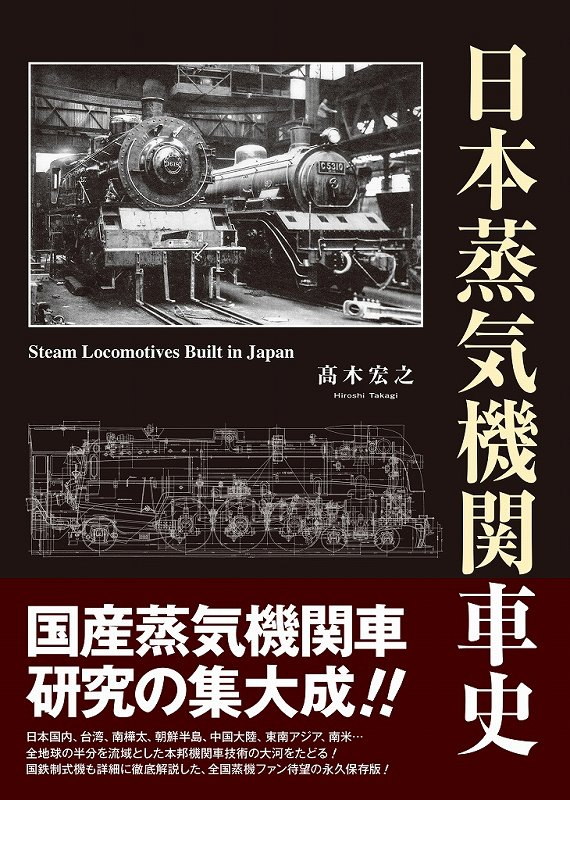
This is a book of Japan-built steam locomotives, including Japanese national railways and private railways, mainland China, Korea, Taiwan, South Sakhalin, Thailand, South America and India. It is the history of industrial technology of Japan-built steam locomotives of all gauges. 256 photographs, 75 completion drawings, 76 assembly drawings, 265 tables.The explanation of each type is the main, and the list of the main types is also posted.
257×182mm 256page ISBN978-4-905659-20-4
Contents;
【Part 1】Japanese-built Steam Locomotives around the World.
Preface:Builders-origin Locomotives prior to the Nationalization.
Section 1:Builders-origin Locomotives for Overseas and Private 3ft-6in
Gauge.
Section 2:IGR/JNR-origin Locomotives for Overseas and Private
Railways.
Section 3:Builders-origin Locomotives for 4ft-8in1/2 Gauge.
Section 4:Builders-origin Locomotives for 4ft-6in Gauge.
Section 5:Builders-origin Locomotives for Meter Gauge.
Section 6:Locomotives of South Manchuria Railway, 1906-1917.
Section 7:Locomotives of South Manchuria Railway, 1918-1932.
Section 8:Locomotives of South Manchuria Railway, 1933-1935.
Section 9:Locomotives of South Manchuria Railway, 1936-1945.
Section 10:Export Locomotives developed by South Manchuria Railway.
Section 11:Locomotives of Korean Government Railway, 1897-1924.
Section 12:Locomotives of Korean Government Railway, 1925-1945.
【Part 2】Detailed Analysis for IGR/JNR Steam Locomotives.
Section 1:Development of Express Passenger Engines.
Section 2:Development of Heavy Freight & Banking Engines.
Section 3:Development of Medium/Small-sized Engines.
Section 4:Gas Circuit, Steam Circuit & Wheel Balancing.
Section 5:Severely Restricted Axle Load.
Section 6:Locomotive Improvements in their Working Fields.
Section 7:Long Drag-Testing Course for Locomotives on
the Sanyo Mainline.
-Column-
* North-East Asian railway network in the end of 1920s.
* Japanese-built Locomotives for Indian Subcontinent -
Classes WG, YG, YM, YL, ZP and ZD.
* Works Numbers of Ex-SMR Mikai Class as the greatest number
Japanese-built locomotives -.
* Works Numbers of Ex-SMR Pashiro, Pashisa (II) and
Mikaro Classes.
* Works Numbers of Ex-Korean Government Railway Tehoro,
Pashishi and Mikasa Classes.
* C51 vs. C53 - Which is suitable Pacific for Super-Express
"Tsubame" ?
* Long or Medium? Length of Smoke and Flue tubes of
C59 Pacifics.
* Roots of "Large Engine Policy" in Japanese Government Railway.
* Rebuilding of Class C56 Moguls -3ft6in gauge
to 3ft 3-1/2in (Metre) gauge.
-Data Files.-
1:Sorting of Class D50 Mikado Locomotives concerning their Details.
2:Sorting of Class D51 Mikado Locomotives built in the WW2 Era.